
In the world of modern manufacturing, a machine shop serves as a cornerstone of production, where raw materials are transformed into high-precision parts and components. These facilities are essential for industries ranging from automotive to aerospace, medical devices, and electronics. A machine shop is not just a workshop with tools; it is a hub of technology, expertise, and precision, driving the efficiency and success of countless manufacturing processes. By utilizing state-of-the-art equipment and skilled technicians, machine shops enable businesses to produce complex, high-quality products that meet the stringent demands of today’s markets.
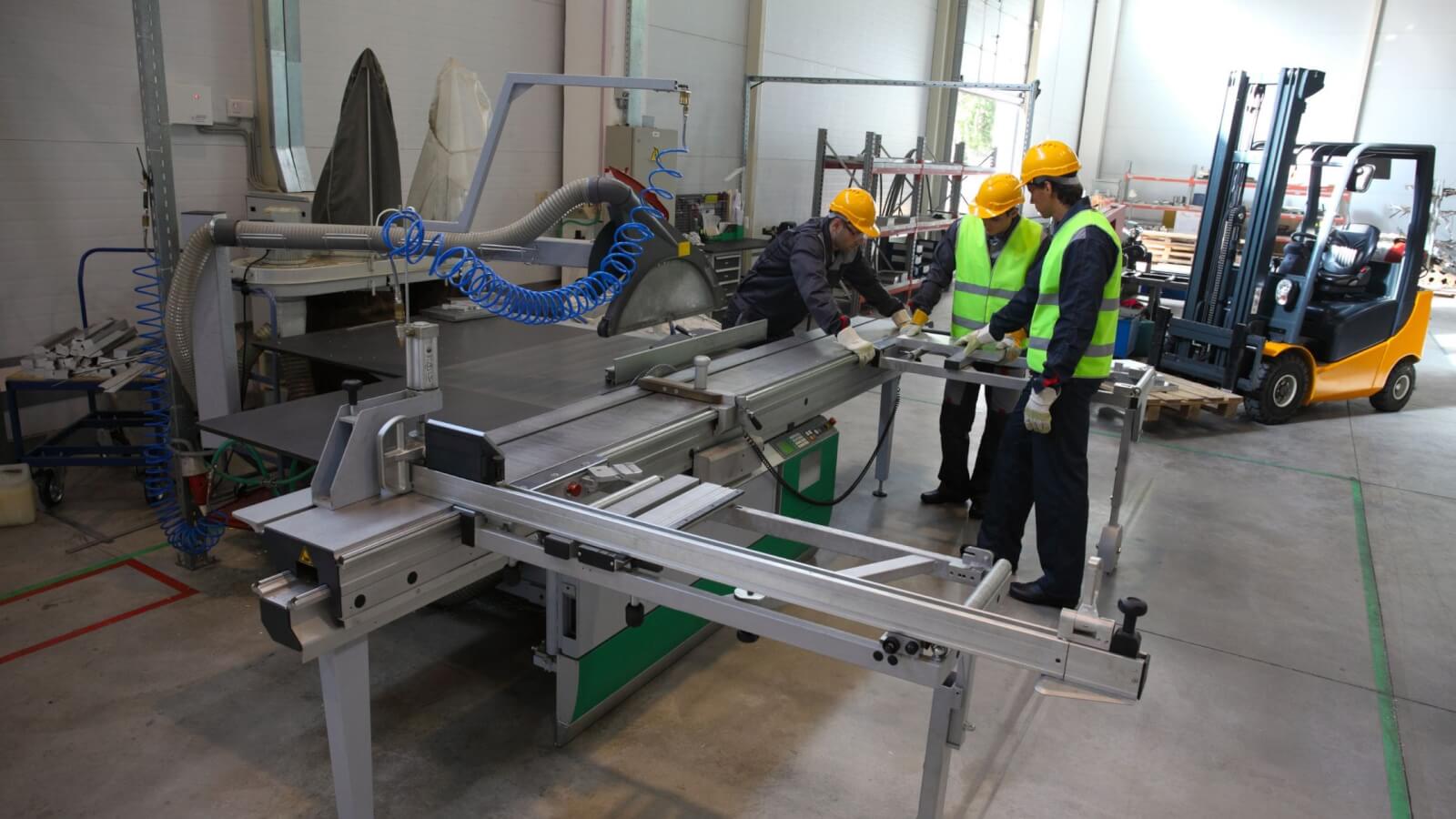
The significance of a well-equipped machine shop cannot be overstated. It houses a variety of machinery, such as CNC (Computer Numerical Control) machines, lathes, mills, grinders, and more. These machines are the backbone of modern manufacturing, offering the precision and accuracy necessary to create intricate parts and components with minimal error. CNC machines, in particular, have revolutionized the way parts are produced, allowing for faster production speeds, higher accuracy, and greater consistency in results. This technological advancement has made it possible to manufacture parts in high volumes while maintaining exceptional quality standards.
Moreover, the benefits of a machine shop extend beyond just the manufacturing of parts. The ability to quickly adapt to new designs and create custom solutions is a major advantage for industries that require flexibility. Whether it’s for rapid prototyping, small-batch production, or custom orders, a machine shop can handle specialized requests with speed and precision. This flexibility has become increasingly important as industries demand more tailored solutions and faster turnaround times.
In addition to its production capabilities, a machine shop plays a critical role in maintaining and repairing machinery. When industrial equipment breaks down or needs a replacement part, a well-run machine shop can quickly fabricate the required component, minimizing downtime and keeping operations running smoothly. This capacity to provide both production and repair services makes a machine shop invaluable for industries where time is of the essence.
Another important aspect of modern machine shops is their focus on sustainability and efficiency. Many facilities have adopted green practices, such as reducing energy consumption and minimizing waste. The use of energy-efficient equipment, recycling metal scrap, and improving manufacturing processes all contribute to a more sustainable operation. These efforts not only benefit the environment but also help companies reduce costs and improve their overall performance.
In conclusion, the role of a machine shop in contemporary manufacturing is crucial for the success of industries worldwide. It is a space where technology, craftsmanship, and innovation intersect to create high-quality products and components. With the help of skilled machinists and advanced equipment, machine shops help businesses stay competitive, improve efficiency, and meet the growing demand for customized solutions. As industries continue to evolve, the machine shop remains an indispensable element of the manufacturing process, ensuring that companies can produce parts that meet the highest standards of precision and performance.