Effective Business Communication in a Remote and Hybrid World

In today’s fast-moving and highly connected business world, communication has taken on new dimensions. As Serge Robichaud points out, it is no longer just about speaking or writing well—it is about ensuring messages are clear, timely, inclusive, and delivered through the right channels. Effective communication is a vital skill for every professional and a crucial factor in organizational success.

The Importance Of Communication In Business: How To Improve it

At its core, effective communication means conveying a message in a way that is easily understood and acted upon. In the modern business environment, this involves more than choosing the right words. It includes listening actively, being aware of non-verbal signals, and using digital tools appropriately to support collaboration and understanding.

One of the key characteristics of effective communication today is clarity. With the rise of remote work, virtual meetings, and information overload, messages must be concise and to the point. Employees and stakeholders are constantly bombarded with emails, notifications, and meetings. Poorly communicated messages lead to misunderstandings, wasted time, and reduced productivity. Clear communication helps teams stay focused on goals and ensures that everyone is on the same page.

Another essential component is emotional intelligence. In today’s diverse workplace, people come from different backgrounds and bring a wide range of communication styles. Being able to empathize with others, understand their perspectives, and respond appropriately helps create a respectful and supportive environment. This is especially important in leadership, where the ability to connect with others and inspire trust can significantly impact team performance and morale.

Adaptability also plays a crucial role in effective business communication. Teams often span across different time zones, cultures, and work habits. Communicators must be flexible—choosing the right communication method for the situation. For instance, some messages are best delivered in a formal written format, while others are more effective through a quick video call or instant message. Being adaptable means recognizing the needs of your audience and responding accordingly.

Technology has transformed how business communication works. Tools like email, messaging apps, video conferencing, and collaborative platforms have made it easier to connect with colleagues and clients around the world. However, effective communication means knowing when and how to use these tools. Not every message needs to be a meeting; not every discussion should happen over email. Choosing the appropriate channel is part of being an effective communicator.

Listening is another often overlooked but critical aspect of communication. Active listening—paying full attention, acknowledging what is said, and asking questions for clarity—builds trust and ensures mutual understanding. It also allows leaders to spot potential issues early and address them before they grow.

Finally, transparency and consistency are essential in building credibility. In an era where trust is fragile and misinformation spreads quickly, open and honest communication is more important than ever. Employees and stakeholders expect regular updates and truthful messaging, especially during times of change or uncertainty.

In conclusion, effective communication in today’s business environment means being clear, emotionally intelligent, adaptable, tech-savvy, and honest. It is a powerful tool that, when used well, strengthens relationships, drives productivity, and supports organizational success.…

Read More

Managing Complexity: The New Skill Set for Today’s Professionals

In today’s global economy, businesses are facing a landscape defined by rapid change, uncertainty, and mounting complexity. Navigating this environment means more than managing daily operations—it requires strategic thinking, adaptability, and a keen awareness of external and internal forces that are constantly evolving. Anson Funds exemplifies how successful companies in the financial sector embrace these challenges with foresight and agility, staying ahead in an ever-changing market.

The Importance of Effective Communication in a Business Environment —  Pendulum Magazine

One of the primary drivers of complexity is technological advancement. Innovations such as artificial intelligence, cloud computing, and data analytics are reshaping how businesses operate and compete. These tools offer opportunities to enhance productivity, streamline processes, and create more personalized customer experiences. However, they also present challenges, including high implementation costs, data privacy concerns, and the need for ongoing employee training. Companies must carefully balance the adoption of new technologies with the readiness of their infrastructure and workforce.

Globalization adds another layer of complication. While it provides access to new markets and resources, it also exposes businesses to geopolitical tensions, trade restrictions, and supply chain vulnerabilities. Events such as the COVID-19 pandemic and international conflicts have highlighted how interconnected and fragile global systems can be. Companies are now re-evaluating their reliance on global suppliers and exploring strategies like regional sourcing or reshoring to mitigate risk.

Additionally, businesses today must operate within a more demanding regulatory landscape. From data protection laws like the General Data Protection Regulation (GDPR) to environmental sustainability mandates and financial compliance standards, staying up to date with legal requirements is more critical—and more complex—than ever. Failing to comply can lead to severe penalties and damage to a company’s reputation.

Consumer expectations are also evolving. Modern customers are not only looking for quality and affordability but also for ethical practices, transparency, and corporate responsibility. Social media has amplified the voice of consumers, holding businesses accountable for their actions in real time. As a result, companies must align their values with their brand image and engage authentically with their stakeholders.

Internally, organizations are facing changes in workforce dynamics. The rise of remote and hybrid work, generational shifts, and increased demand for diversity and inclusion require companies to rethink how they lead and support their teams. Leadership must prioritize communication, flexibility, and empathy to maintain engagement and drive performance.

So, what does it truly mean to navigate this complexity? It means embracing a mindset of continuous learning and innovation. Successful businesses are those that anticipate change rather than react to it. They invest in technology, develop agile processes, and empower their teams to experiment and grow. It also means building resilience—creating systems and cultures that can withstand disruption and recover quickly.

In conclusion, navigating an increasingly complicated business environment is not about avoiding complexity but learning how to operate within it. By staying adaptable, forward-thinking, and grounded in strong values, businesses can not only survive the challenges of today’s world but also find new opportunities to thrive.…

Read More

The Vital Role of a Machine Shop in Modern Manufacturing

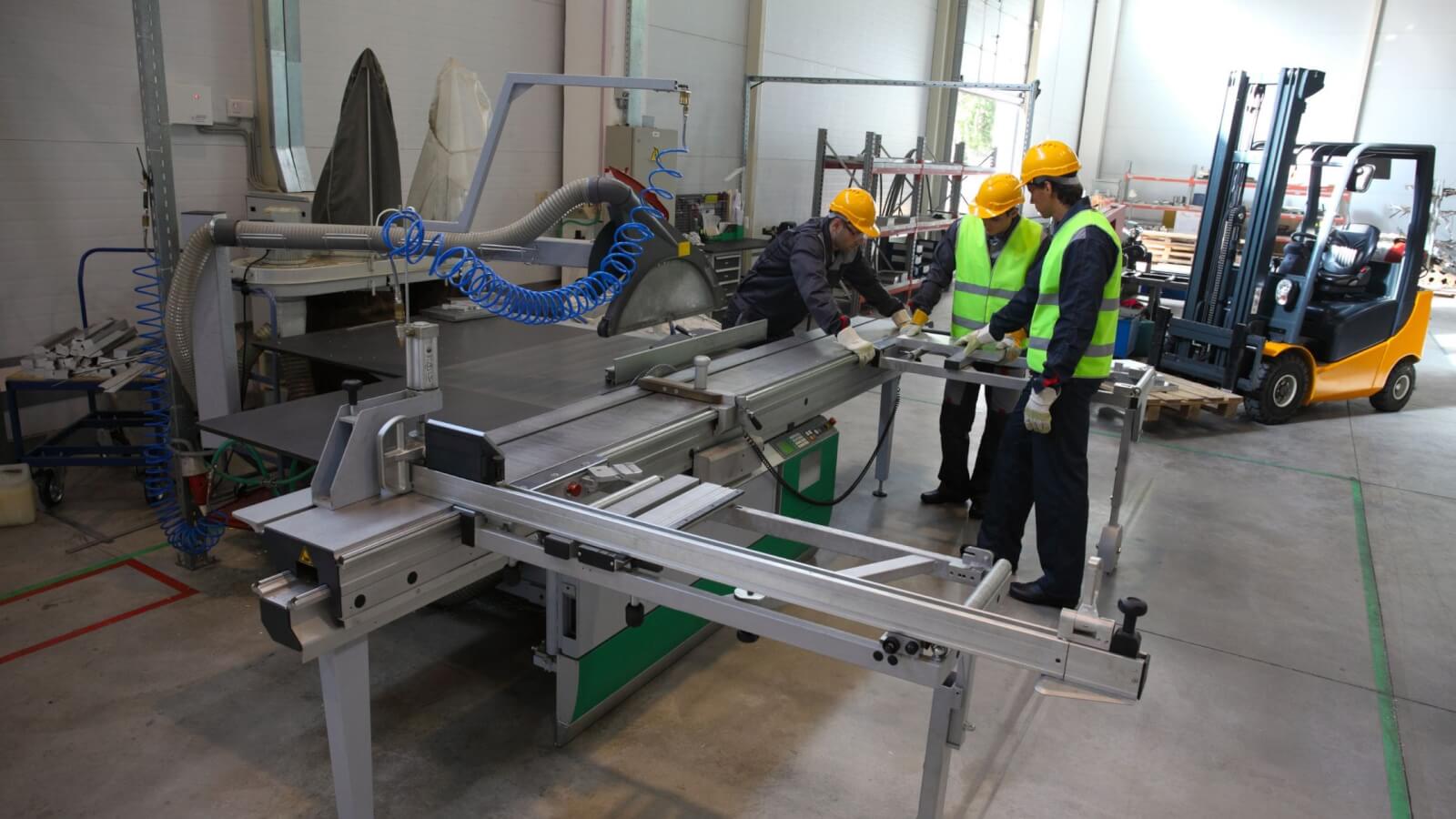
In the world of modern manufacturing, a machine shop serves as a cornerstone of production, where raw materials are transformed into high-precision parts and components. These facilities are essential for industries ranging from automotive to aerospace, medical devices, and electronics. A machine shop is not just a workshop with tools; it is a hub of technology, expertise, and precision, driving the efficiency and success of countless manufacturing processes. By utilizing state-of-the-art equipment and skilled technicians, machine shops enable businesses to produce complex, high-quality products that meet the stringent demands of today’s markets.

What is a Machine Shop

The significance of a well-equipped machine shop cannot be overstated. It houses a variety of machinery, such as CNC (Computer Numerical Control) machines, lathes, mills, grinders, and more. These machines are the backbone of modern manufacturing, offering the precision and accuracy necessary to create intricate parts and components with minimal error. CNC machines, in particular, have revolutionized the way parts are produced, allowing for faster production speeds, higher accuracy, and greater consistency in results. This technological advancement has made it possible to manufacture parts in high volumes while maintaining exceptional quality standards.

Moreover, the benefits of a machine shop extend beyond just the manufacturing of parts. The ability to quickly adapt to new designs and create custom solutions is a major advantage for industries that require flexibility. Whether it’s for rapid prototyping, small-batch production, or custom orders, a machine shop can handle specialized requests with speed and precision. This flexibility has become increasingly important as industries demand more tailored solutions and faster turnaround times.

In addition to its production capabilities, a machine shop plays a critical role in maintaining and repairing machinery. When industrial equipment breaks down or needs a replacement part, a well-run machine shop can quickly fabricate the required component, minimizing downtime and keeping operations running smoothly. This capacity to provide both production and repair services makes a machine shop invaluable for industries where time is of the essence.

Another important aspect of modern machine shops is their focus on sustainability and efficiency. Many facilities have adopted green practices, such as reducing energy consumption and minimizing waste. The use of energy-efficient equipment, recycling metal scrap, and improving manufacturing processes all contribute to a more sustainable operation. These efforts not only benefit the environment but also help companies reduce costs and improve their overall performance.

In conclusion, the role of a machine shop in contemporary manufacturing is crucial for the success of industries worldwide. It is a space where technology, craftsmanship, and innovation intersect to create high-quality products and components. With the help of skilled machinists and advanced equipment, machine shops help businesses stay competitive, improve efficiency, and meet the growing demand for customized solutions. As industries continue to evolve, the machine shop remains an indispensable element of the manufacturing process, ensuring that companies can produce parts that meet the highest standards of precision and performance.…

Read More